ABADÁ-Capoeira-Angola · 1996–2026

Projecto 5R

★ 30 Years of Capoeira in Angola ★

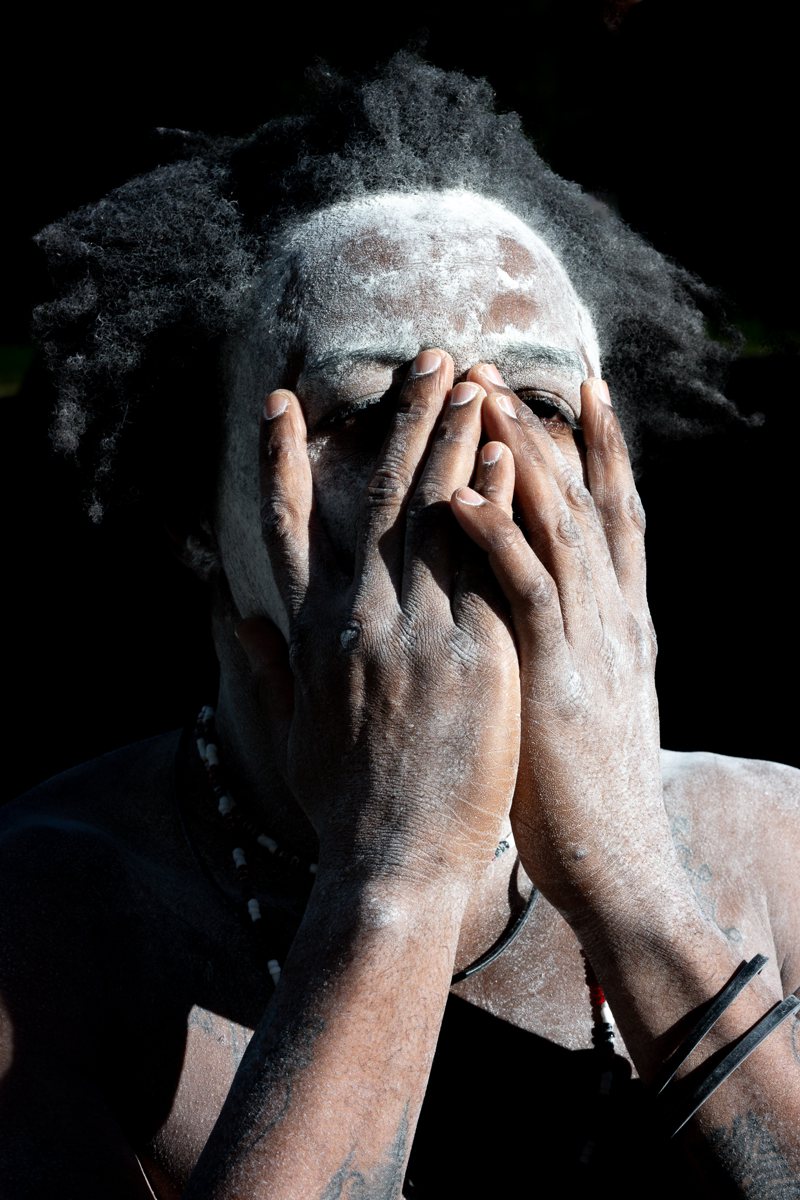
Ovikangandyi · Spirit of the Ancestors

“Helping Angolans re-establish relations with their culture, history and identity after 27 years of civil war.”
Ivana Machado (2005)

Our Classes Discover the Project
01 · The Project

The Five R's

Capoeira as an instrument of social integration: across every class, every age, the whole country.

In association with ABADÁ-Capoeira, Projecto 5R restores the sense of citizenship and rescues the customs and traditions that the war interrupted.

R

Rescuing the Roots

Historical research into the origins of capoeira, Angolan arts and traditional instruments. Demonstrations, batizados, technical exchange and participation in World, European and African Games.

R

Responsibility (Social)

Permanent classes in community centres, health and civic-education campaigns, donations to orphanages and support for the most disadvantaged communities.

R

Retreat (Ecological)

Developing the ecological paradigm as a model for integrating people into the natural environment: beach clean-ups, environmental education and working partnerships.

R

Rhythms and African Movements

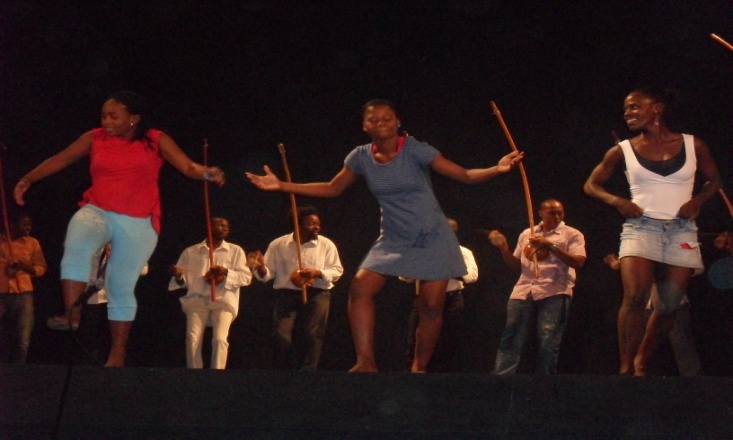
Music (berimbau orchestra, percussion band), dance (maculelê, rebita, Axi-Luanda rituals), theatre (puxada de rede) and community visual arts.

R

Refuge of the Mestre

The project's home: library, historical archive, workshop, recreational space and supply store, honouring the knowledge of the sobas and master craftsmen.

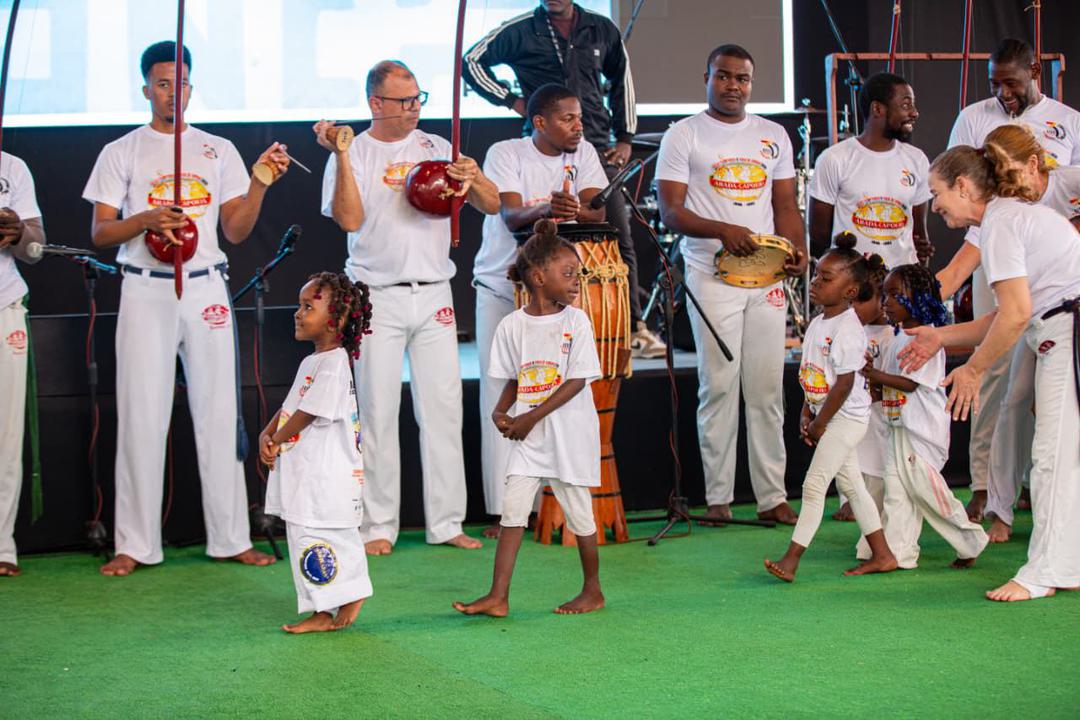
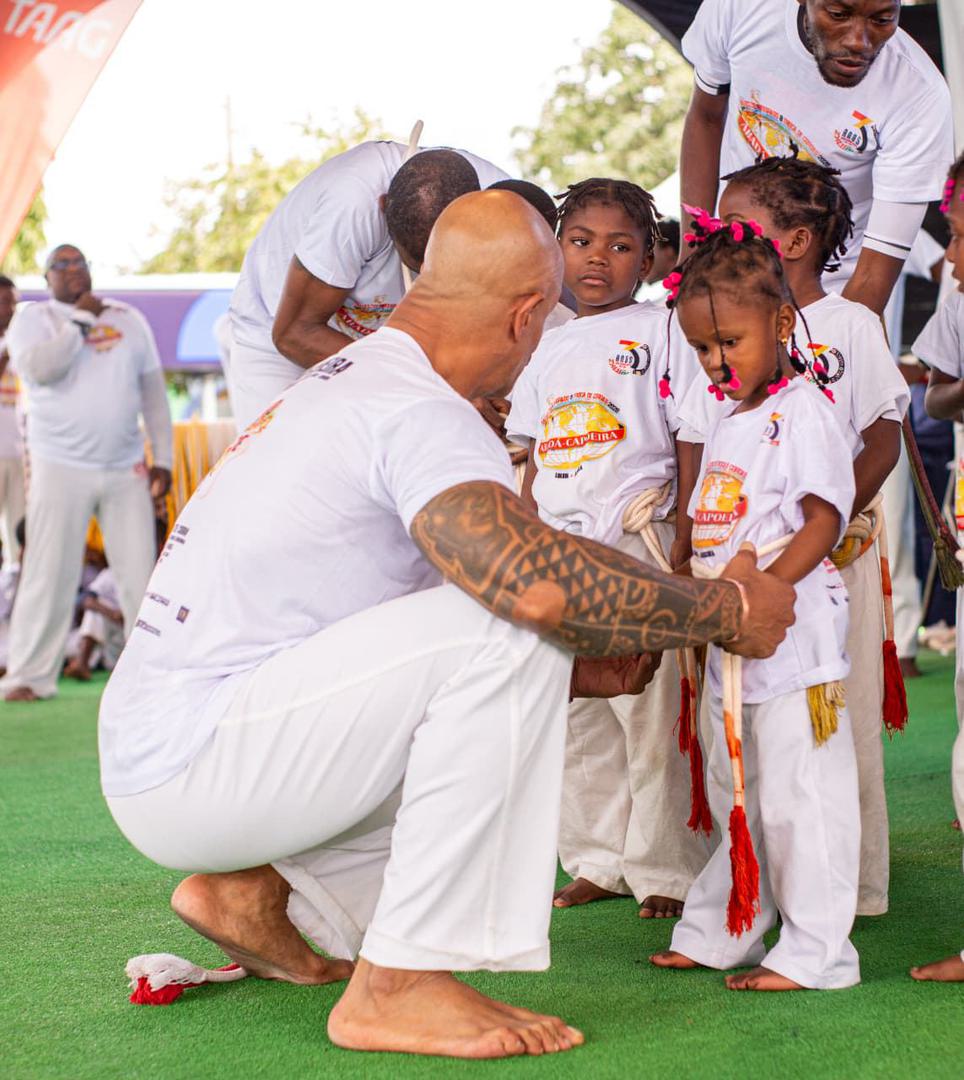
The new generations at the 30-year batizado
Capoeira passed from hand to hand
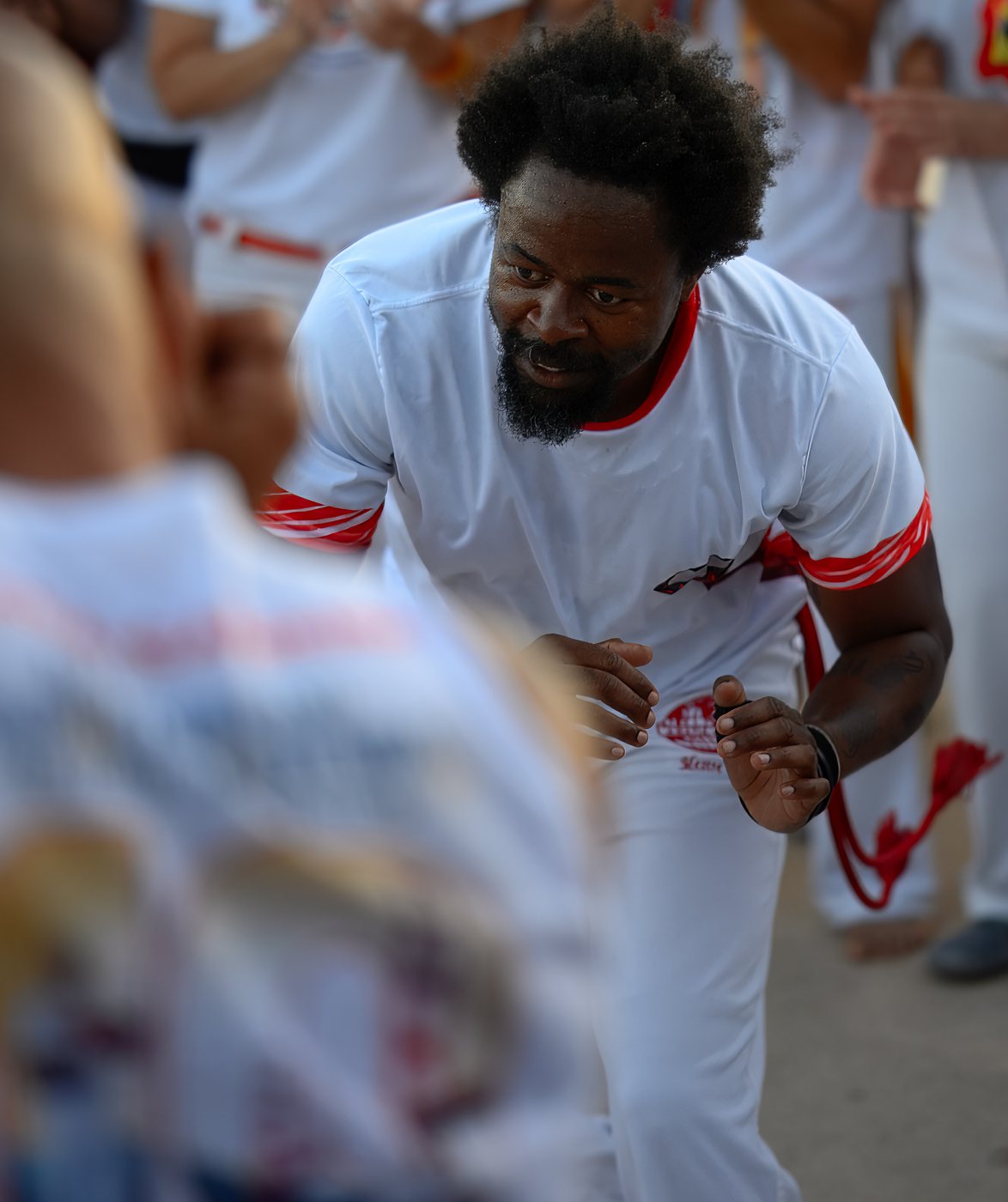
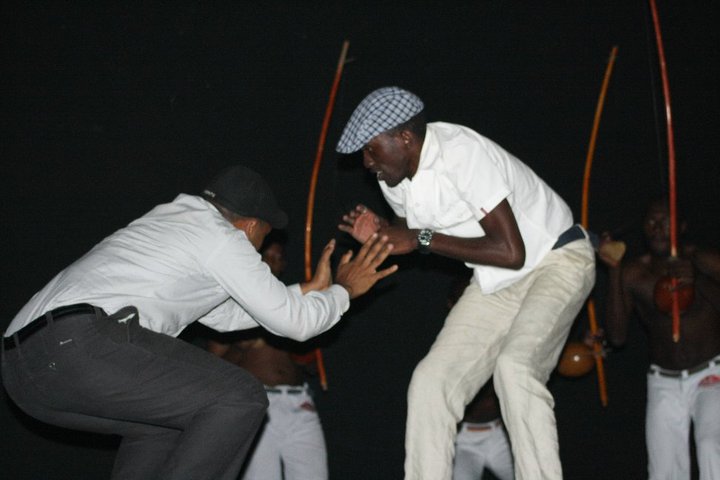
The game, inside the roda
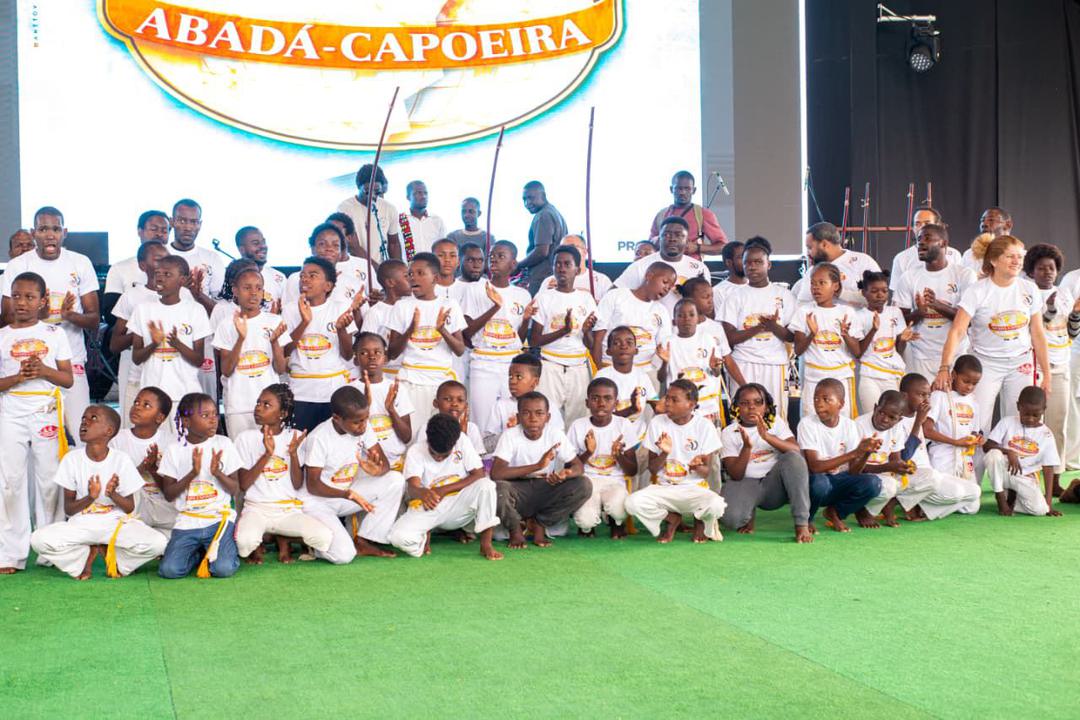
The whole ABADÁ-Capoeira-Angola family together

Photographs from the 30-year celebration, July 2026: © Ivana Machado

30
years of Capoeira in Angola
630
students baptised at a single encounter
18
provinces reached by cultural campaigns
1st
African Mestrando of ABADÁ · Cabuenha 2025
02 · History

Timeline

From the 16th to the 19th century, Portugal shipped enslaved people from Africa to South America, and they carried their religions and traditions with them. Capoeira, the Afro-Brazilian dance-fight born in the quilombos, returns to its African roots through ABADÁ-Capoeira-Angola.

1996

ABADÁ-Capoeira arrives in Angola. First contact with this Afro-Brazilian art of sporting and socio-cultural character; Mestre Cascão stays in Angola to establish capoeira in Luanda and the provinces.

1997

The first Angolan delegation, eight capoeiristas strong, travels to Brazil to represent the country at the first Capoeira World Games.

1998

First Batizado in Luanda with Mestre Camisa, and the first capoeira festival ever held in Africa, at the Teatro Avenida, with the support of the Brazilian Embassy.

2001

At the III World Games, Angola wins the trophy for best Benguela game and trains its first three Angolan monitors.

2004

Júlio Janguinda Moniz (Cabuenha) becomes European Capoeira Champion at the VII European Games in Brussels.

2005

Projecto 5R is born. 250 capoeiristas close the V CPLP Games at the Coqueiros Stadium; 630 students baptised in Luanda and Benguela.

2006

Official launch of Projecto 5R under the patronage of the Vice-Minister of Sport. Rhythm research in São Tomé and Príncipe with the São João dos Angolares ethnic group; social campaign with INAC.

2007

Percussion band and participation in the Luanda Triennial. At the VI World Games in Bahia, “Angola shines in Salvador”: silver and bronze medals for Castelo and Marques.

2008

Research begins for the book “O Berimbau de Barriga”; HIV/AIDS social campaign; ecological retreats on the beaches of Santiago and Sarico and on Mussulo Island.

2009

1st Angolan Capoeira Games in Luanda, Song Festival and the Bola de Neve project (CNO). Graduate Cabuenha earns the rank of Instructor in Brazil.

2010

The theatre piece Zuela Hungo, the Berimbau Orchestra and the Uniform Campaign.

2011

Mandubimba and a community campaign at the Chicala 2 capoeira centre.

2012

Social Resgate, with the masters Kamosso do Hungo and Kituxi: living research into traditional Angolan instruments.

2013

Launch of the book “O Berimbau de Barriga” and the 1st ABADÁ-Angola National Encounter.

2014

1st Women's Encounter of capoeira in Angola.

2025

At the World Games in Brazil, Cabuenha becomes the first African and Angolan Mestrando of ABADÁ-Capoeira: a historic milestone for Angola and for Africa, celebrated with a mass class on Copacabana and the music of Angolan musician Jorge Mulumba.

2026

30 years of Capoeira in Angola: three decades of cultural rescue, social integration and the shaping of generations, celebrated in July 2026.
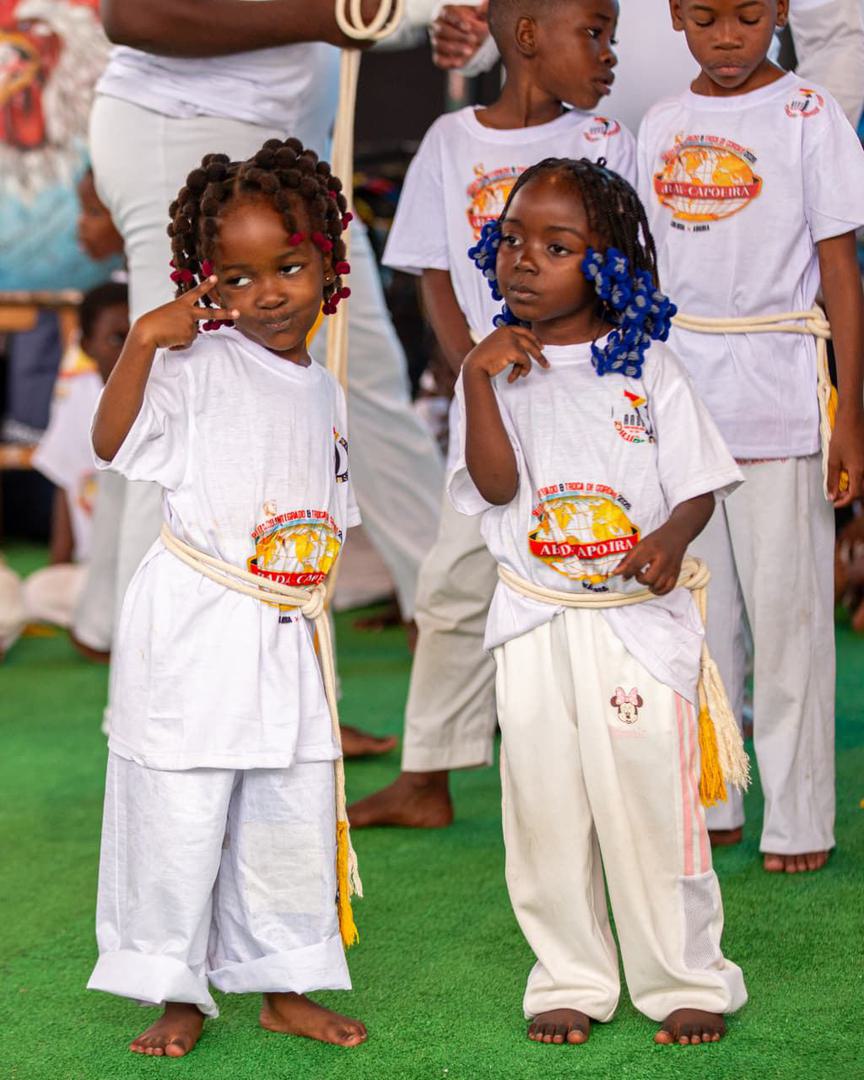
From our archive: activities 2005–2009
  • Monthly mass class on the Marginal promenade of Luanda on the last Sunday of every month, and roda on the beach of Luanda Island on the first Sunday.
  • 3rd Capoeira Encounter (2005): 550 students baptised in Luanda and 80 in Benguela, with the special participation of 30 children from Mbanza Congo.
  • On television and radio: Jovem Mania, Tchillar, Flash and Hora Quente (TPA), TV Zimbo and Rádio LAC.
  • Music videos: “Amba” by Paulo Flores and “Abana o Vestido” by Zona 5.
  • Exchange in São Tomé and Príncipe (2006) with the São João dos Angolares ethnic group: researching the roots of capoeira.
  • Ecological retreats: Cabo Ledo, Santiago beach, Sarico beach and Mussulo Island.
  • Musical research with Dionísio Rocha, Kituxi, Rui Mingas and André Mingas; visits to the National Museum of Anthropology and the National Library.
  • Centres in Benguela, Lobito, Huambo, Lubango, Cabinda and Kwanza Norte.
  • Campaigns: World AIDS Day, blood donation, “I wash my hands with soap” and the sponsorship of children at the Luanda Oncology Centre.
  • International workshops and batizados: Dubai, Cape Town, and European Games in Brussels, Salzburg and Stuttgart.

The Project on the Ground

From Cabinda to Namibe: the centres, campaigns and retreats that carried capoeira across the whole country.

Hover or tap a point on the map to see what happened there.

Centres and activities Ecological retreats
03 · Traditions

Preserving Our Traditions

“Nothing is written, nothing is said, yet it is poetry.” The capoeira ritual always happens in a roda, to the sound of the berimbau, the atabaque and the pandeiro. Alongside capoeira, Projecto 5R preserves genuinely Angolan traditions.

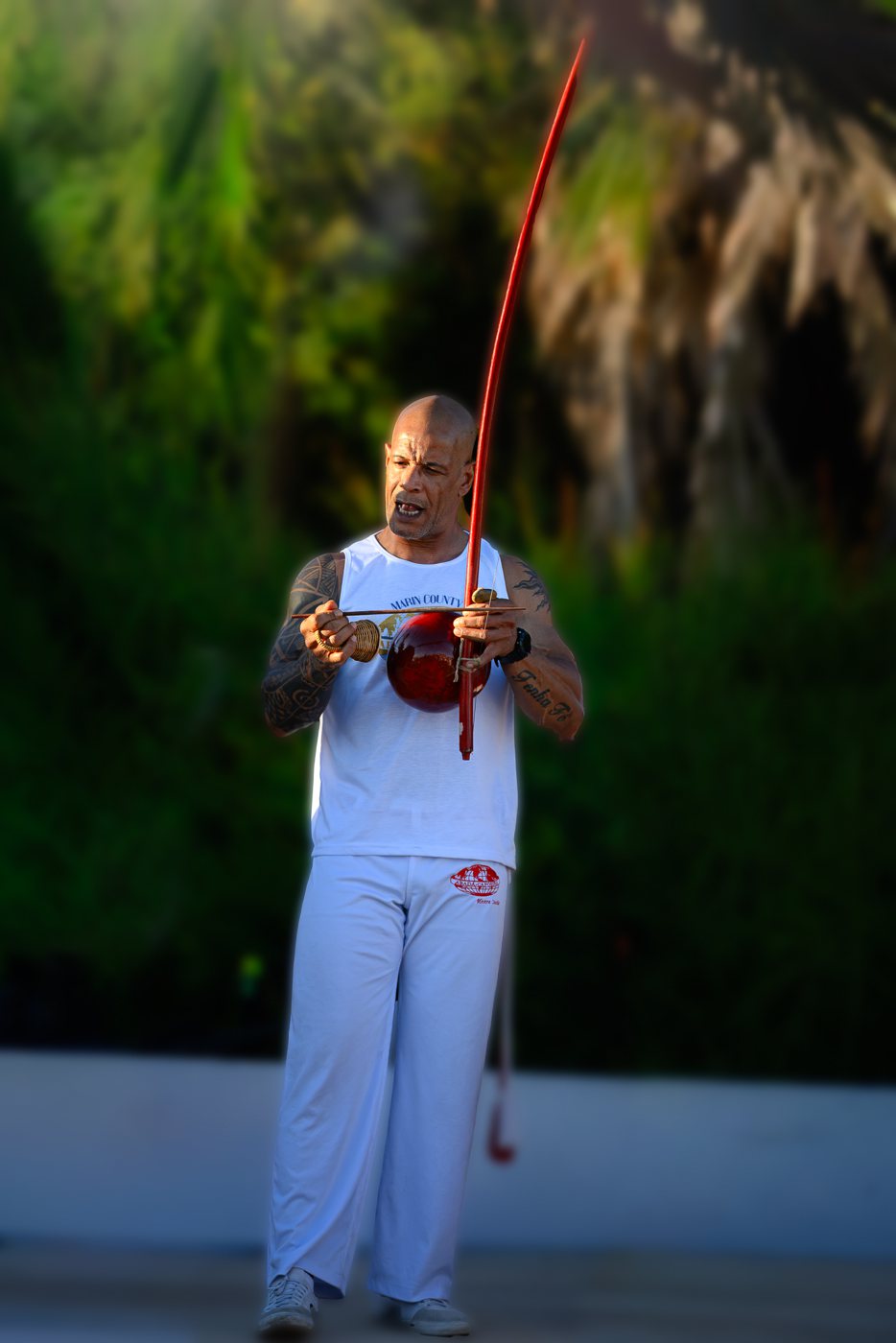
Capoeirista playing to the sound of the berimbau

Bassula

The fight of the man of the sea, the Axi-Luanda fisherman, born on Ilha do Cabo, Boavista, Samba and Mussulo. Celebrated when the catch is plentiful, it is dance, fight and culture, practised with a white shirt, African cloth (dizula) and a cloth tied around the head (kicumbo).

Fisherman's boat off Luanda Island at sunset

Puxada de Rede

A ritual of the Angolan coast, led by the Master of the sea. The net is cast as the songs begin; the kitandeiras wait at the water's edge, singing and clapping. For its beauty it was brought to the stage shows associated with capoeira.

Maculelê dance with atabaques

Maculelê

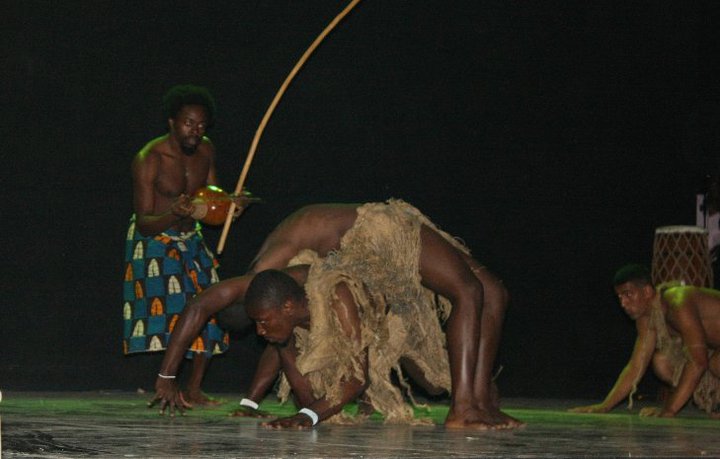
A dramatic dance born in the sugar-cane fields of Santo Amaro, Bahia, danced by the enslaved in celebration of the harvest: also a dance-fight of great agility, with sticks, machetes and a burlap skirt.

Samba de roda

Samba de Roda

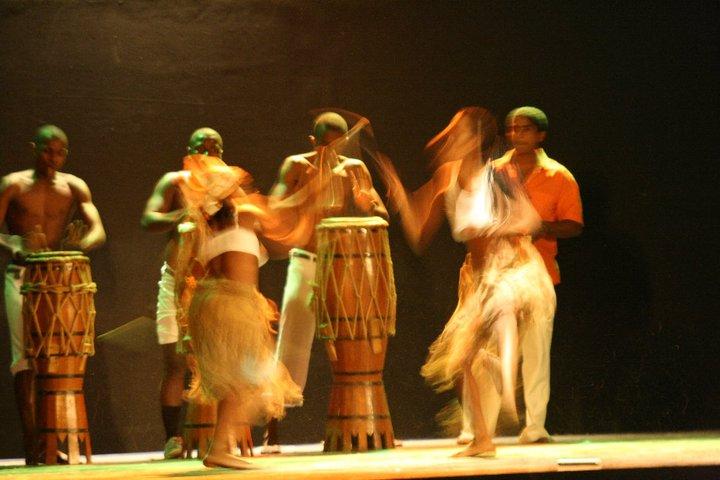
A circle dance from the Recôncavo of Bahia that closes many capoeira rodas. In the group's repertoire it is performed together with the toque do hungo, to atabaques and clapping.

The Angolan roots of capoeira

Tap a name to find out more.

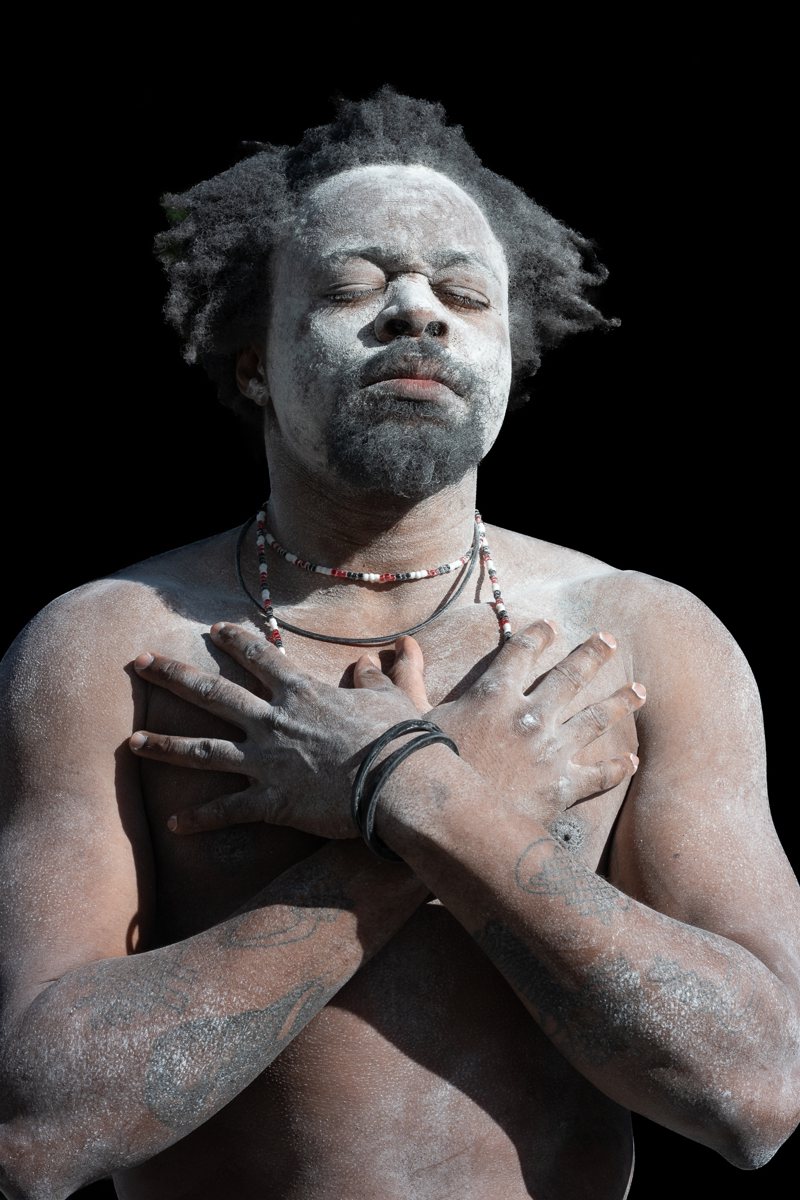
Ancestral portrait, performance with pemba
Spirit of the ancestors
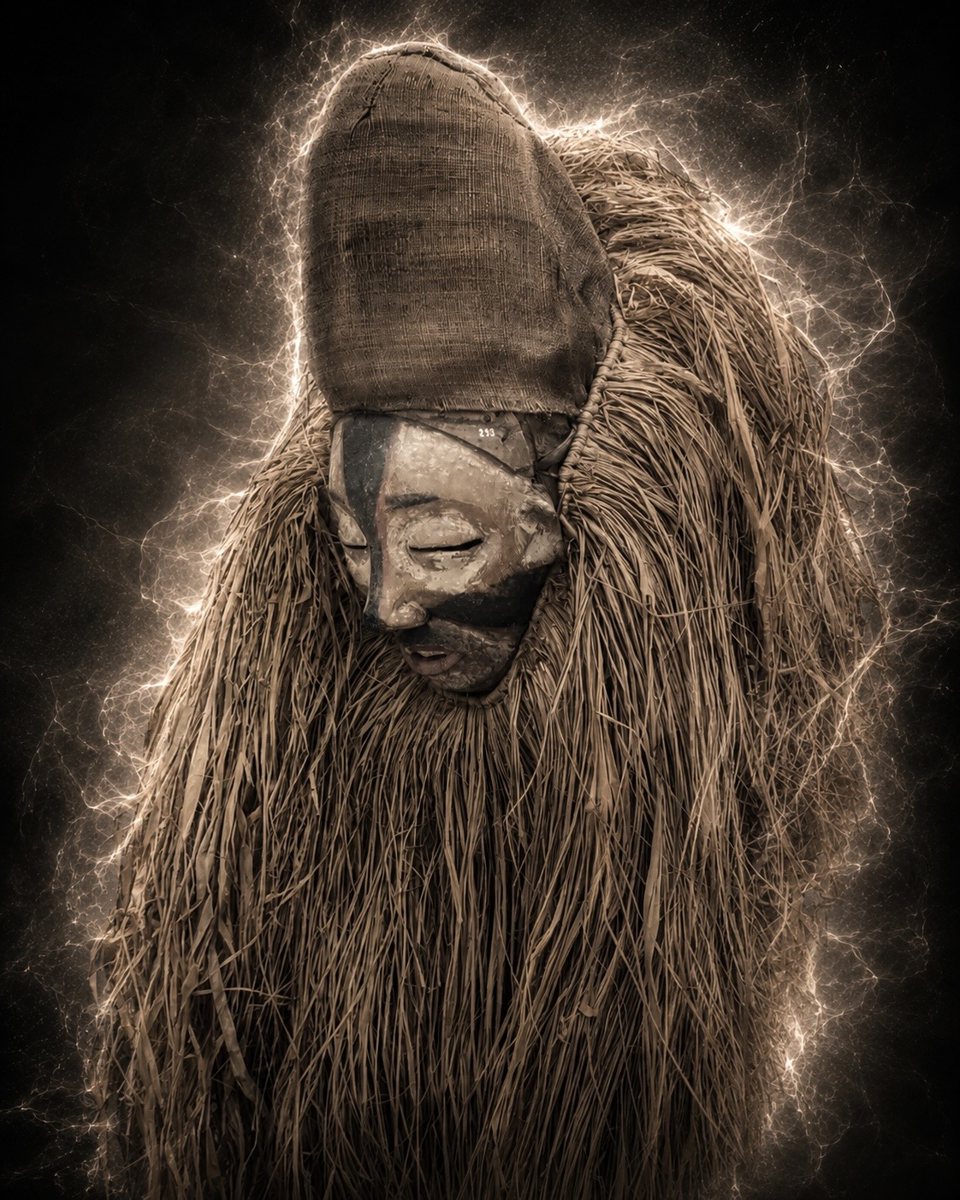
Traditional Chokwe mask
Chokwe mask
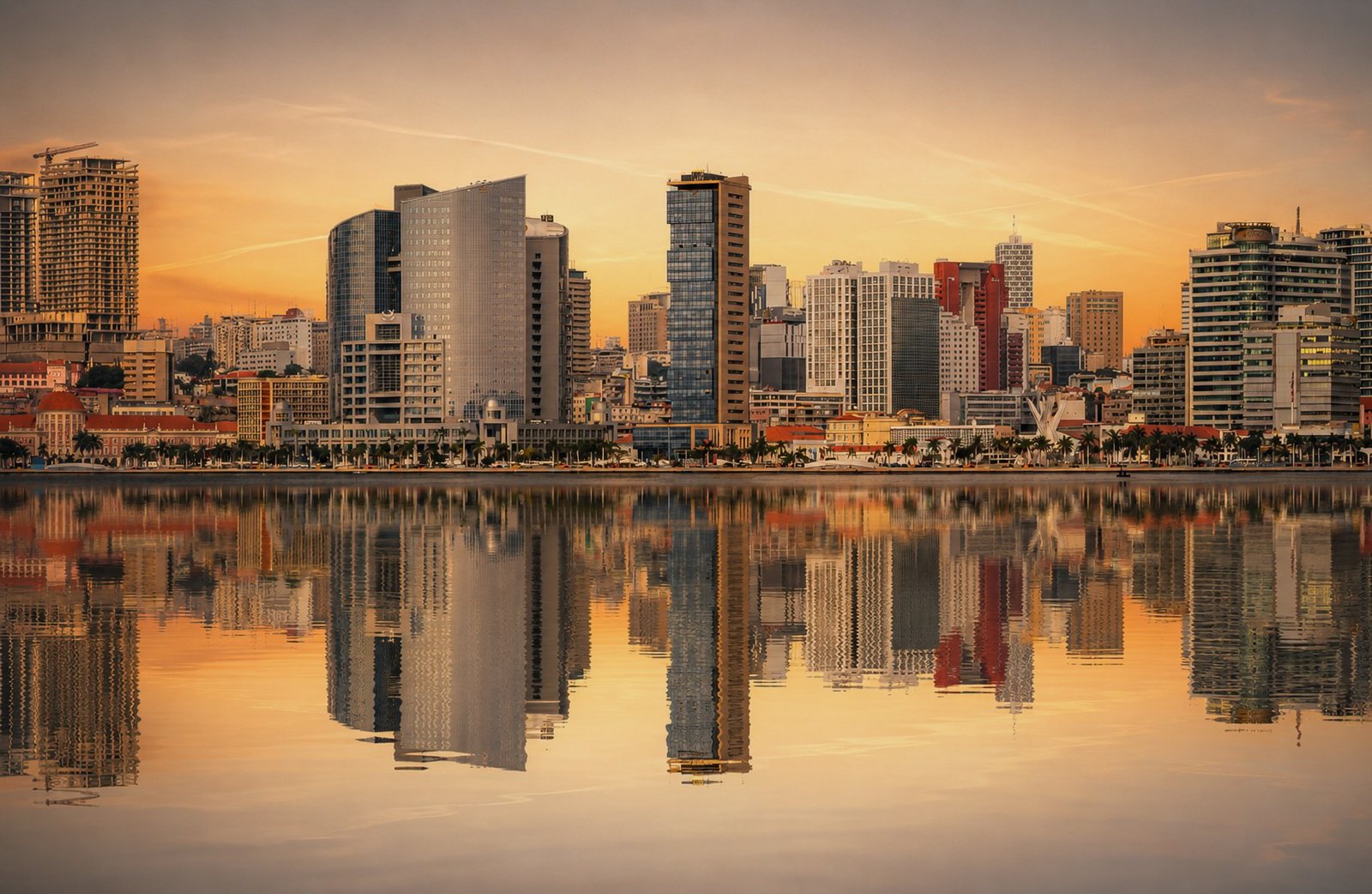
The bay of Luanda reflected at sunset
The bay of Luanda
Mestrando Cabuenha
Mestrando Cabuenha
Ancestral portrait, hands and pemba
Pemba: the ritual
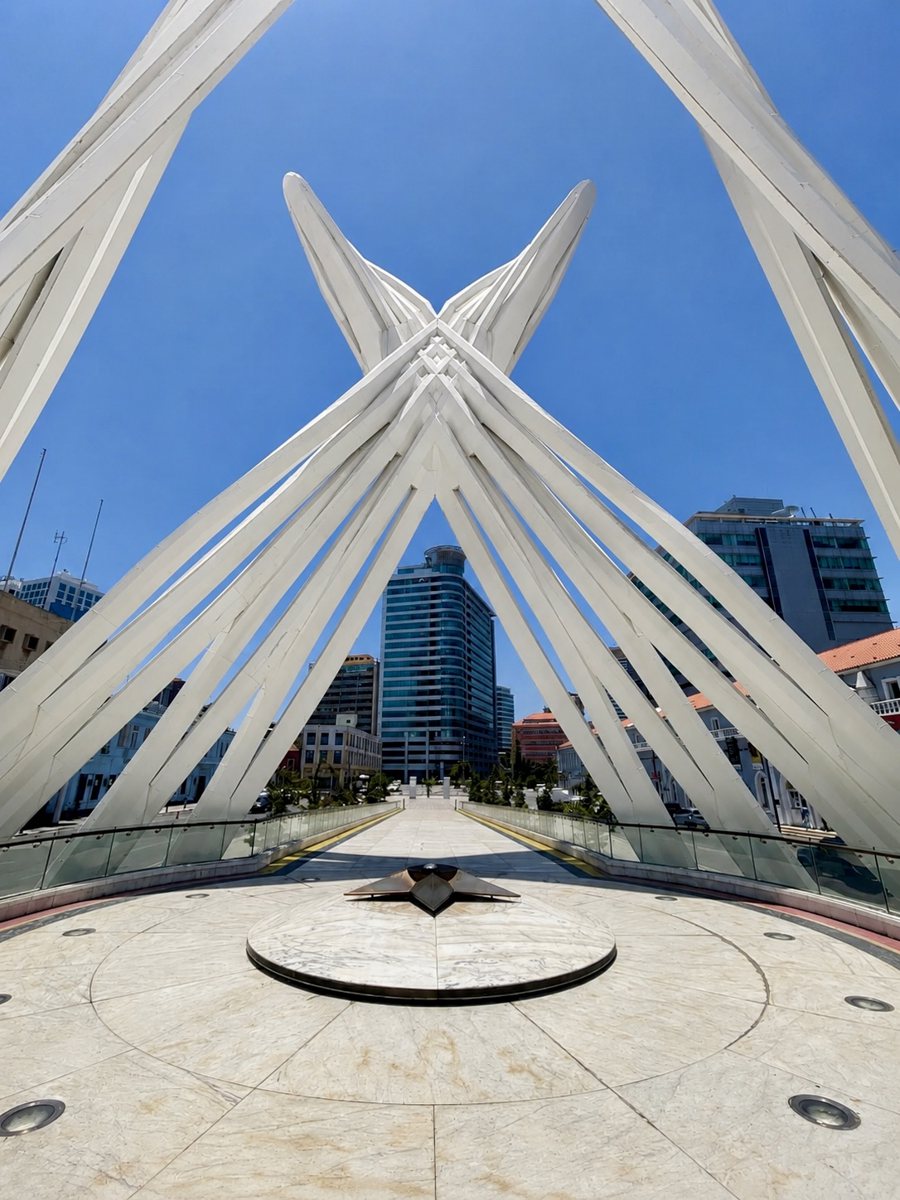
Monument in downtown Luanda
Downtown Luanda
Capoeirista in the roda
In the roda
Capoeirista playing the berimbau
The sound of the berimbau
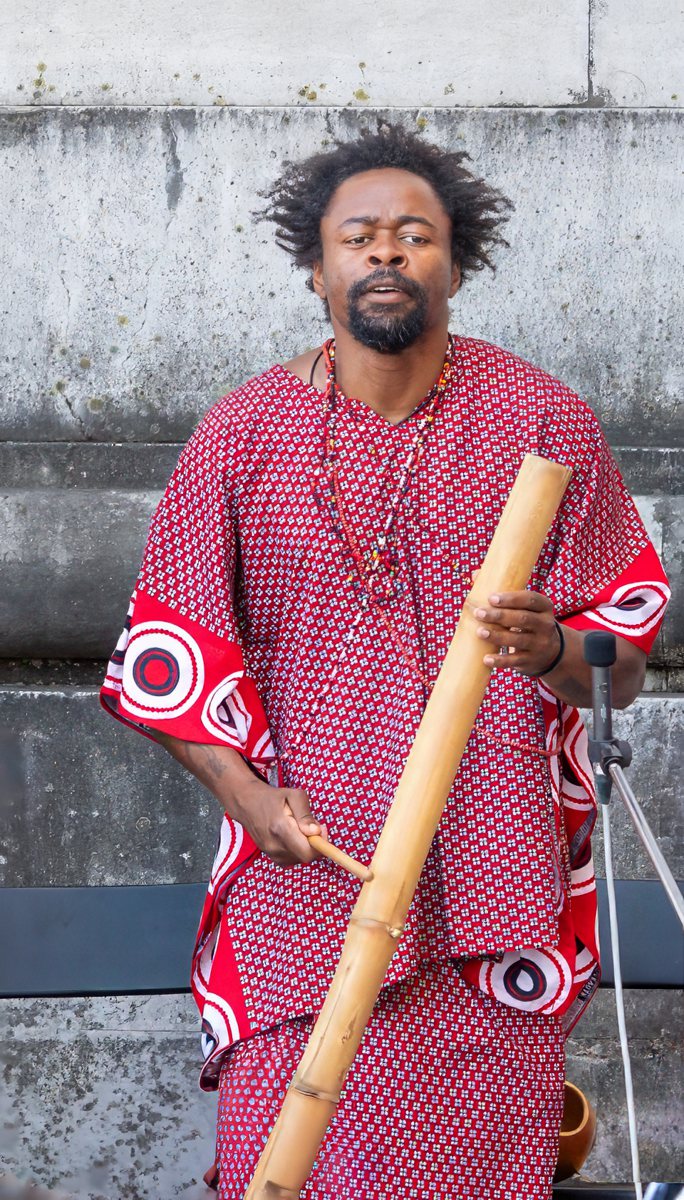
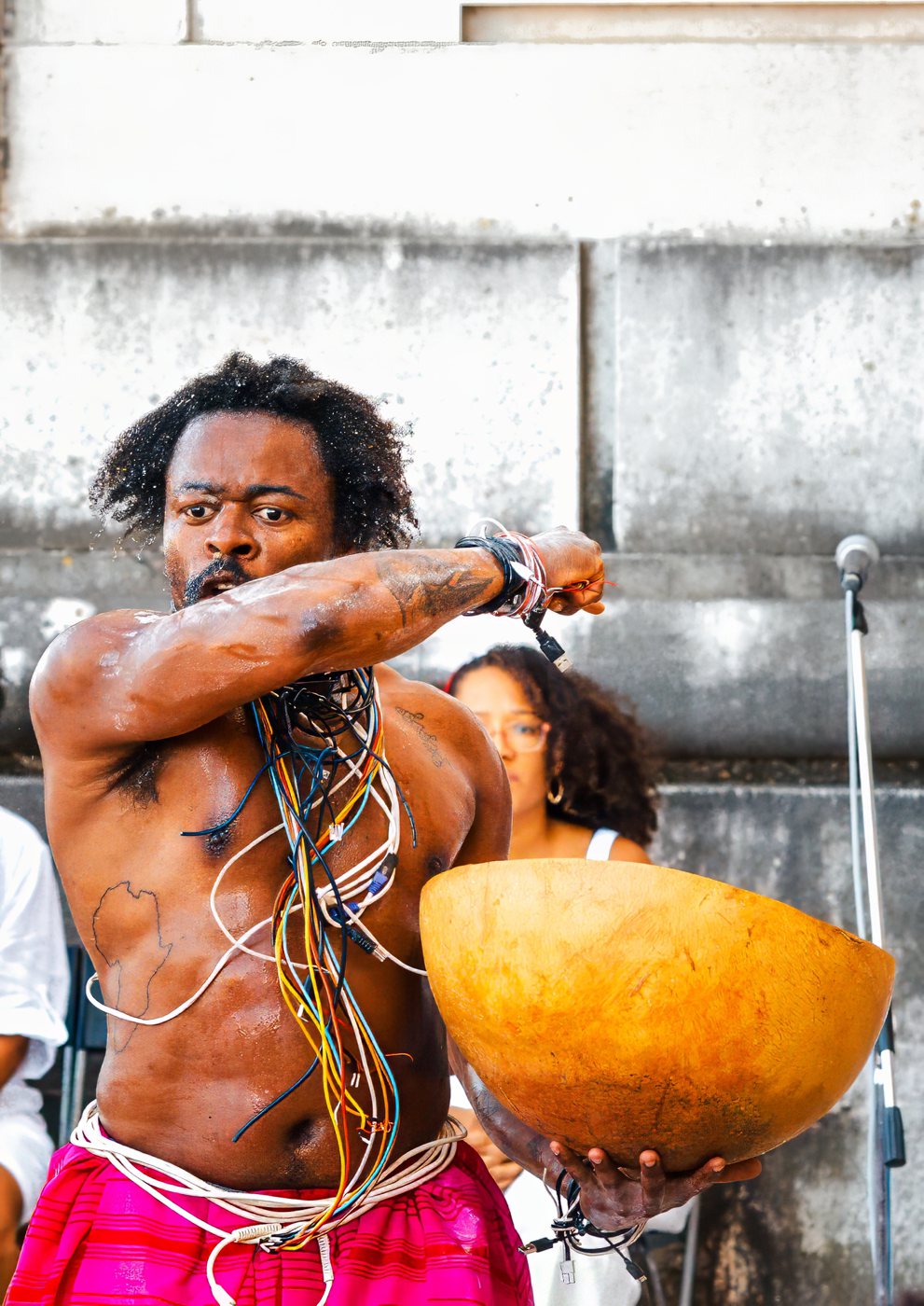
Traditional performance with the calabash
Tradition

Angola through the eyes of someone who has accompanied the project from the very beginning: photography by Catorze · @ecf.otografie

04 · Classes

Capoeira for Every Age

Capoeira spans a whole range of disciplines, sport, music, dance, theatre and culture, always respecting the physical integrity of every student. We bring classes to nurseries, schools, universities, clubs and companies.

3–5years

Children's Capoeira

Taught through play, developing motor coordination and awareness through the songs.

  • 20students
  • 2×week
  • 1 hourclass
6–8years

Children's Capoeira

Taught as a game: playing and singing, with an emphasis on school skills, numbers and the alphabet, through the instrument of capoeira.

  • 15students
  • 2×week
  • 1 hourclass
9–12years

Youth Capoeira

More focused on physical education, the encouragement of reading and the importance of the instruments: capoeira is also music, game and art.

  • 15students
  • 2×week
  • 1 hourclass
13+years

Teenagers and Adults

Full capoeira training, always respecting the student's physical integrity.

  • 20students
  • 2×week
  • 1h30class
60+seniors

Senior Citizens

Taught in an adapted, gentle form, promoting mobility and companionship.

  • 20students
  • 1×week
  • 30 minclass
What a capoeira class needs: uniform, 1 pair of trousers (abadá) and 1 white t-shirt, and the instruments: 3 berimbaus, 1 atabaque, 1 pandeiro and 1 agogô. Classes are given by 2 teachers, transport included. For prices and proposals for schools and institutions, contact us.
05 · Graduation

The Cord System

Our graduation system takes nature as its reference: each dominant colour represents an element, carrying the symbolic importance of the plant, animal and mineral kingdoms. The batizado is the initiation ceremony, where the student receives a capoeira nickname and the first cord.

Beginner

Raw Cord

Beginner

The starting point of every capoeirista.

Student

Raw/Yellow Cord

Transformation

The passage from the raw cord to the yellow.

Yellow Cord

“Gold”

The valuing of the learning that will grow from this graduation onwards.

Yellow/Orange Cord

Transformation

The passage from the yellow cord to the orange.

Orange Cord

“The Sun”

The awakening of awareness of one's learning.

Orange/Blue Cord

Transformation

The passage from the orange cord to the blue.

Graduated Student

Blue Cord

“The Sea”

Awareness of the immensity of the path still to be travelled.

Blue/Green Cord

Transformation

The passage from the blue cord to the green.

Green Cord

“The Forest”

One of the lungs of the world: the consolidation of learning and the foundation of ABADÁ.

Green/Purple Cord

Transformation

The passage from the green cord to the purple.

Instructor

Purple Cord

“The Amethyst”

The reflection of continuity: overcoming physical, psychological and spiritual pain in the pursuit of knowledge.

Purple/Brown Cord

Transformation

The passage from the purple cord to the brown.

Teacher

Brown Cord

“The Chameleon”

From this graduation will come the future mestrandos, mestres and grand masters of ABADÁ.

Brown/Red Cord

Transformation

The passage from the brown cord to the red.

Mestrando

Red Cord

“The Ruby”

The stone that symbolises justice: awareness of one's responsibility towards capoeira.

Mestre

Red/White Cord

Transformation

Deciding with accuracy, precision, honesty, loyalty and, above all, with wisdom.

Grand Master

White Cord

“The Diamond”

The mineral that reflects every colour. There will only ever be one Grand Master in ABADÁ.

Cord illustration: Novák Karel CZ / Wikimedia Commons, CC BY-SA 4.0: recoloured.

The Batizado is the initiation ceremony: the student plays with mestres, mestrandos, teachers or instructors, receives the nickname by which they will be known in the rodas, and their first graduation cord. Children up to 16 have their own system: from the raw cord, through the raw/yellow, yellow, raw/orange, yellow/orange and orange transformations, and the blue/raw, blue/yellow and blue/orange combinations, up to the blue cord of the graduated student.
06 · Masters

Figures of Our Art

The line of transmission of capoeira, from Salvador da Bahia to Luanda.

1Patron

Mestre Bimba

Manuel dos Reis Machado (1900–1974)

One of the greatest capoeiristas of all time. The first to receive official authorisation for a capoeira academy, he transformed it into an art and a popular sport. Posthumous Doctor Honoris Causa of the Federal University of Bahia.

2Grand Master

Camisa Roxa

Edvaldo Carneiro e Silva

Considered Mestre Bimba's finest student and Grand Master for life of ABADÁ-Capoeira. He did more than anyone to spread capoeira around the world, taking it to over 50 countries.

3Mestre

Mestre Camisa

José Tadeu Carneiro Cardoso

Born in Bahia, he trained at Mestre Bimba's academy and founded ABADÁ-Capoeira, today present in dozens of countries. “One of the most technical capoeiristas in the world: the Pelé of Capoeira.”

4Mestre

Mestre Cascão

Luiz Fernando Pereira Monteiro

Grandson of the Angolan boxer Viriato Marcelino Monteiro, he trained the first Angolan capoeiristas and organised the first capoeira festival in Africa. He is the mestre responsible for the ABADÁ-Capoeira centre in Angola.

07 · 30 Years

The 30-Year Celebration

July 2026: three decades of capoeira in Angola celebrated with rodas, batizados, music and every generation together: from the children to the masters.

30-year celebration
1 / 68

Celebration photographs: © Ivana Machado

08 · World Games 2025

Angola on Top of the World

At the ABADÁ-Capoeira World Games in Brazil in August 2025, Cabuenha became the first African and Angolan Mestrando of ABADÁ-Capoeira. Angola made itself heard: Angolan musician Jorge Mulumba brought our rhythms to the roda, and the mass class on Copacabana gathered hundreds of capoeiristas from all over the world.

Jorge Mulumba in the roda: Angolan rhythms at the 2025 World Games
The berimbau orchestra: Jorge Mulumba and the music of the World Games
Mass class on Copacabana: the World Games that crowned the first Angolan Mestrando

The Angolans sing with Jorge Mulumba: Cachoeiras de Macacu, World Games 2025

Songs of our land in the World Games roda: Cachoeiras de Macacu, World Games 2025

09 · Social Action

Social and Environmental Responsibility

For more than two decades Projecto 5R has carried out social work in Luanda, Benguela, Huambo and other provinces. Part of the income from performances goes to the most disadvantaged institutions.

10 · Performances

Our Show

From the stage of the Cine Atlântico to the music videos of Paulo Flores and Zona 5, the group brings capoeira and Angolan traditions to cultural and corporate events. Our repertoire:

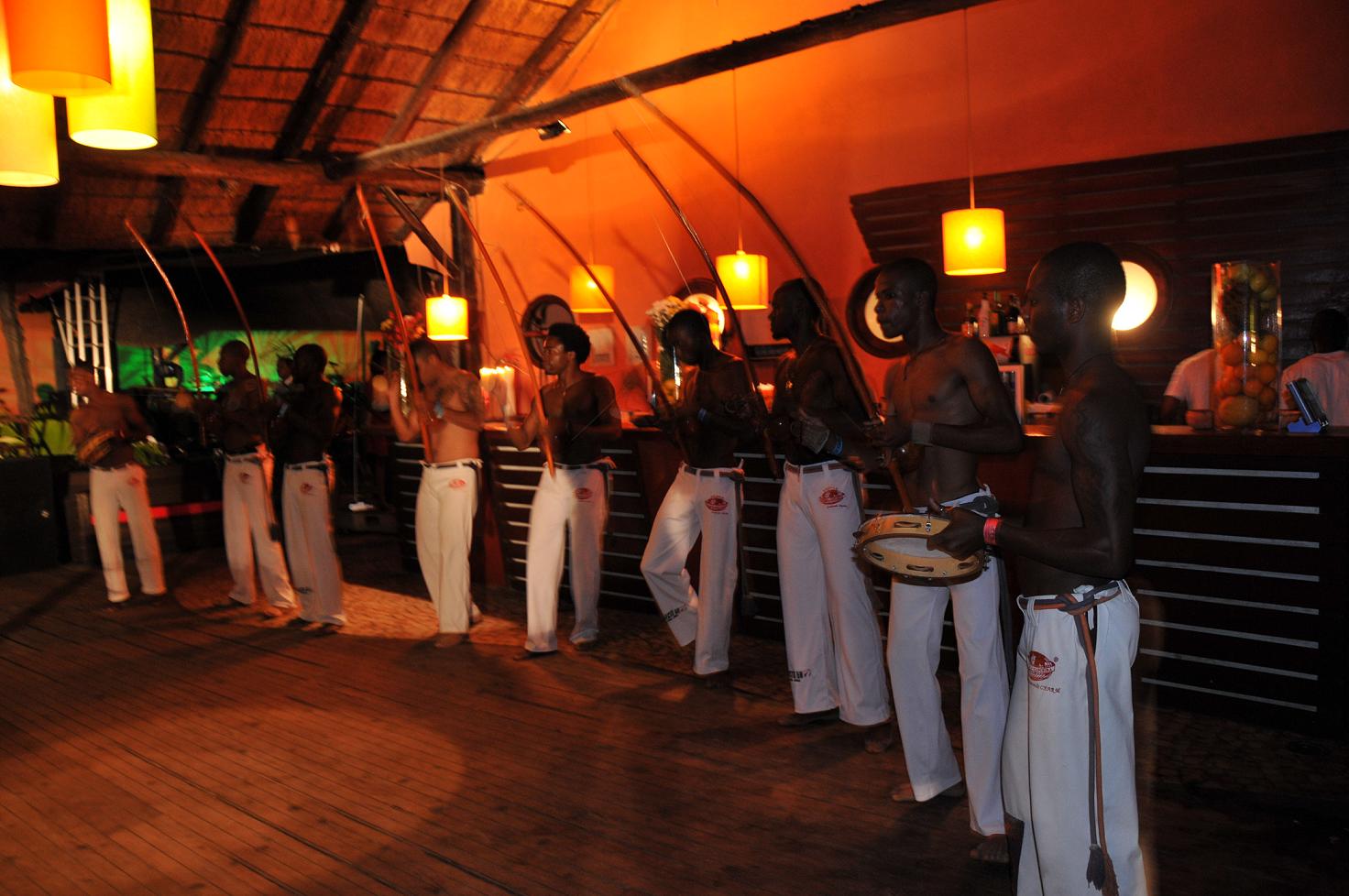
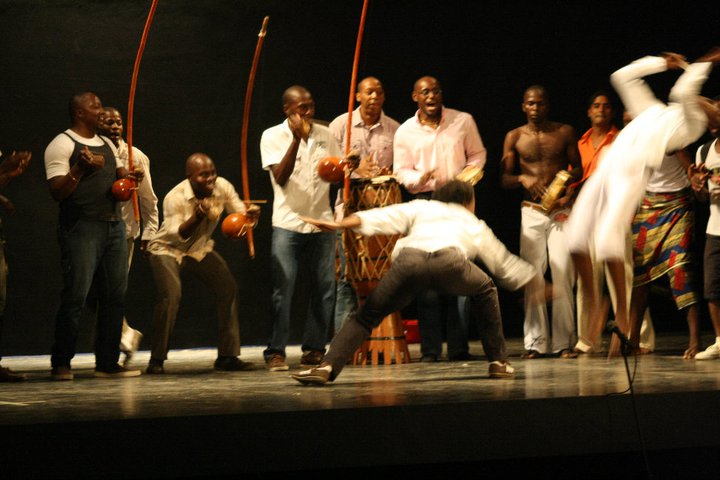
Capoeira roda
Capoeira roda
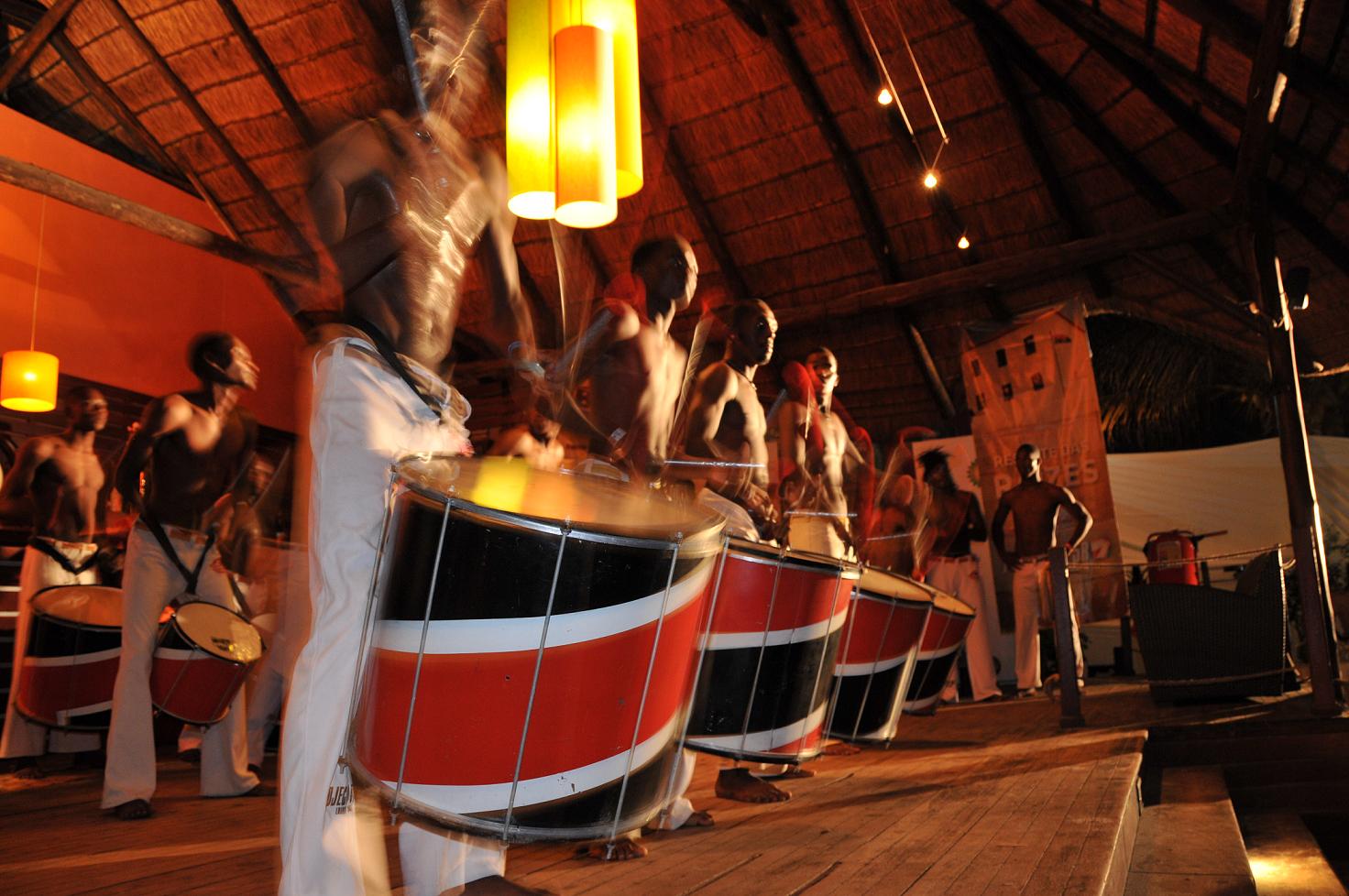
Batucada
Batucada
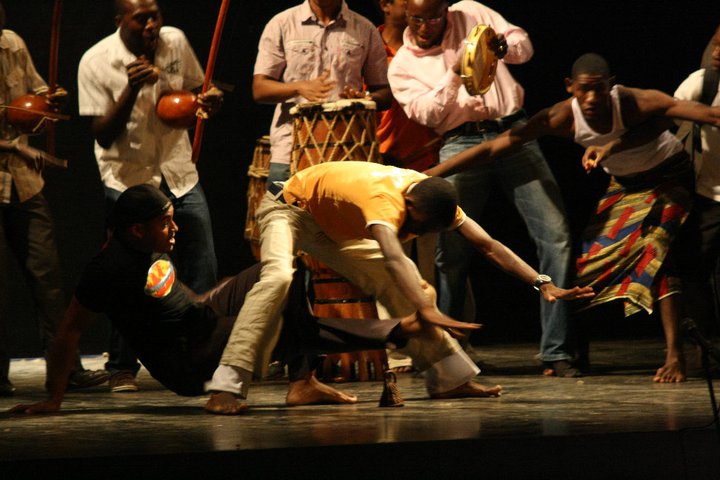
Capoeira game on stage
Capoeira game
Samba de roda
Samba de roda
Theatre Candongueiro e Praça
Theatre: Candongueiro e Praça
Roda with instruments
The roda and the instruments
Berimbau
To the sound of the berimbau
Maculelê
Rhythms and African movements
11 · Contact

Talk to Us

I want to train

Classes for every age, from 3-year-olds to senior citizens, in Luanda, Benguela and Huambo. We also bring capoeira to nurseries, schools, universities and companies.

Chat on WhatsApp

I want to support the project

Partnerships, sponsorship and support for the social and cultural campaigns: for 30 years every contribution has gone straight to the communities.

Chat on WhatsApp

Or by phone: 923 523 824 · Instrutor Sapato · Luanda · Benguela · Huambo

References

Colégio São Francisco de Assis (Talatona) · Colégio Pirilampo · Centro de Viana · Clube dos Caçadores · Universidade Católica · Colégio Nsaiwo (Morro da Luz)

ABADÁ-Capoeira